What Are The Symptoms of Radon in the House?
How Do You Know You Have Radon?
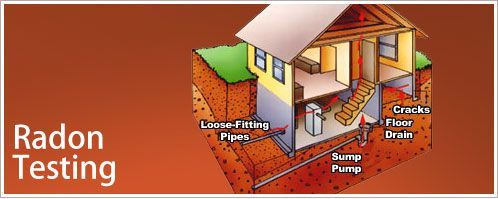
In Anchorage Alaska, we face the highest levels of radon in the U.S. That’s why we at Anchorage Radon Testing & Mitigation offer the top radon testing and mitigation services in the area. Radon itself is an odorless, colorless, and tasteless radioactive gas. This means there are no direct sensory signs of its presence. So the only way to detect it is through skilled testing by a technician. High levels in a home will often stem from soil infiltration through foundation cracks, etc. Health symptoms—indicating long-term exposure—include persistent coughing, wheezing, chest pain, or, in severe cases, lung cancer. You don’t want to wait to experience symptoms before you address any potential radon problems.
Signs of Potential Radon Entry Points
- Foundation Cracks: Visible cracks in concrete floors, walls, or mortar joints.
- Construction Joints: Gaps in concrete floors or where walls meet floors.
- Sump Pump/Drain Openings: Open, uncovered sump pumps or drains.
- Well Water: In some cases, radon is released from tap water.
Physical Symptoms of Long-Term Exposure
Because radon exposure acts slowly over years, symptoms often only appear when high-level exposure has caused severe, lasting damage (up to and including lung cancer).
- Persistent Coughing or Wheezing.
- Shortness of Breath.
- Chest Pain or Tightness.
- Frequent Infections: Chronic bronchitis or pneumonia.
- Fatigue: Unexplained tiredness.
How to Identify Radon
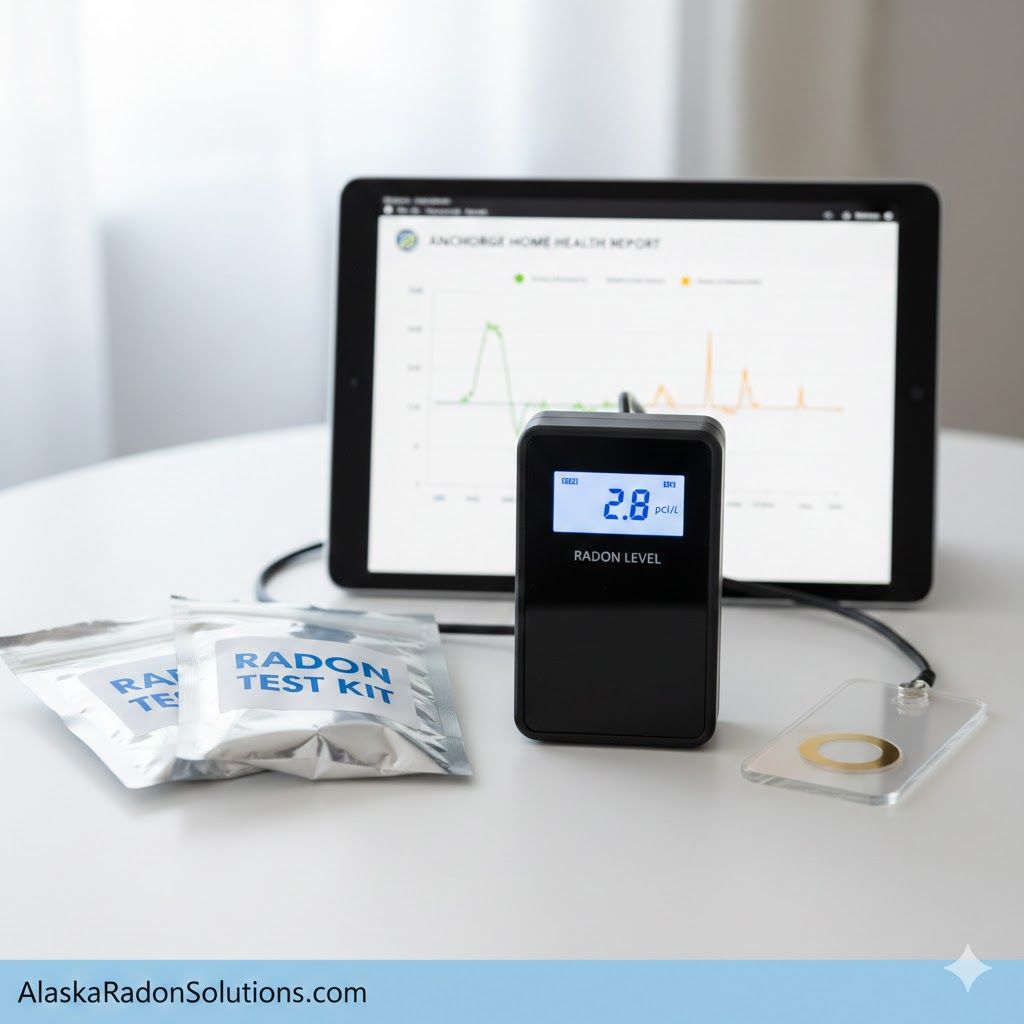
- Testing Kits: Although there are DIY testing kits, we suggest that you hire a professional to be assured of complete and accurate results.
- EPA Recommendations: The U.S. Environmental Protection Agency recommends taking action to reduce radon if levels are 4 pCi/L or higher, though lower levels might still pose risks.
- Higher Risk Areas: Basements and lower-level rooms are most likely to have higher concentrations, as they are closest to the soil source of radon.
Because radon cannot be detected without a test, all homes should be tested. Call us today for any questions or to schedule testing in your home or commercial building