Do I Need to Re-Test My Home After a Major Earthquake?
Better to Be Safe Than Sorry
Yes, you absolutely should re-test your home for radon after a major earthquake in the Anchorage area and all of Alaska.
Alaska is the home of the highest radon levels in the United States. Anchorage Radon Testing and Mitigation can help.
While your home may have tested "safe" in the past, strong seismic activity can physically change how radon gas interacts with your property.
Here’s why experts at the Anchorage Radon Testing, The Alaska Division of Geological & Geophysical Surveys (DGGS) and the UAF Cooperative Extension Service recommend re-testing in cases of a major earthquake:
1. New Pathways into Your Home
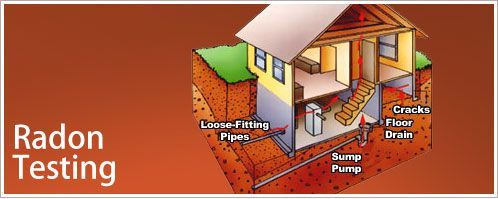
Radon is a soil gas. Even if you don’t see large cracks in your drywall or foundation, a 7.0+ magnitude quake can create microscopic fissures in your home's foundation slab or crawl space. These tiny "highways" allow radon to seep into your living areas more easily than before.
2. Soil Shifting (Subsurface Disturbance)
Earthquakes don't just shake your house; they move the ground beneath it. This shifting can:
- Create Voids: Create new air pockets or "voids" in the soil around your foundation that collect gas.
- Alter Gas Flow: Shift the natural "path of least resistance" that the gas follows from the bedrock to the surface.
3. Changes to Your Mitigation System
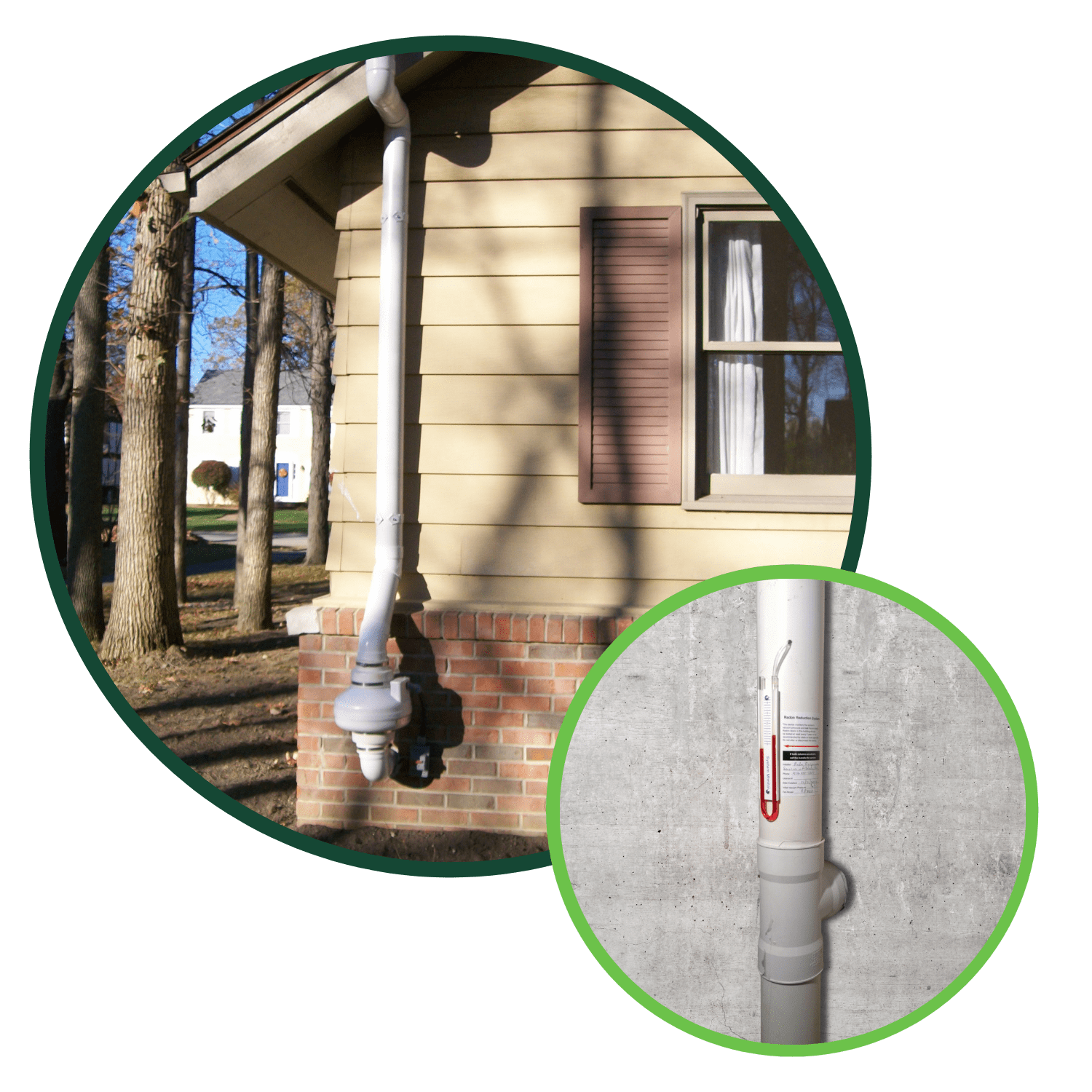
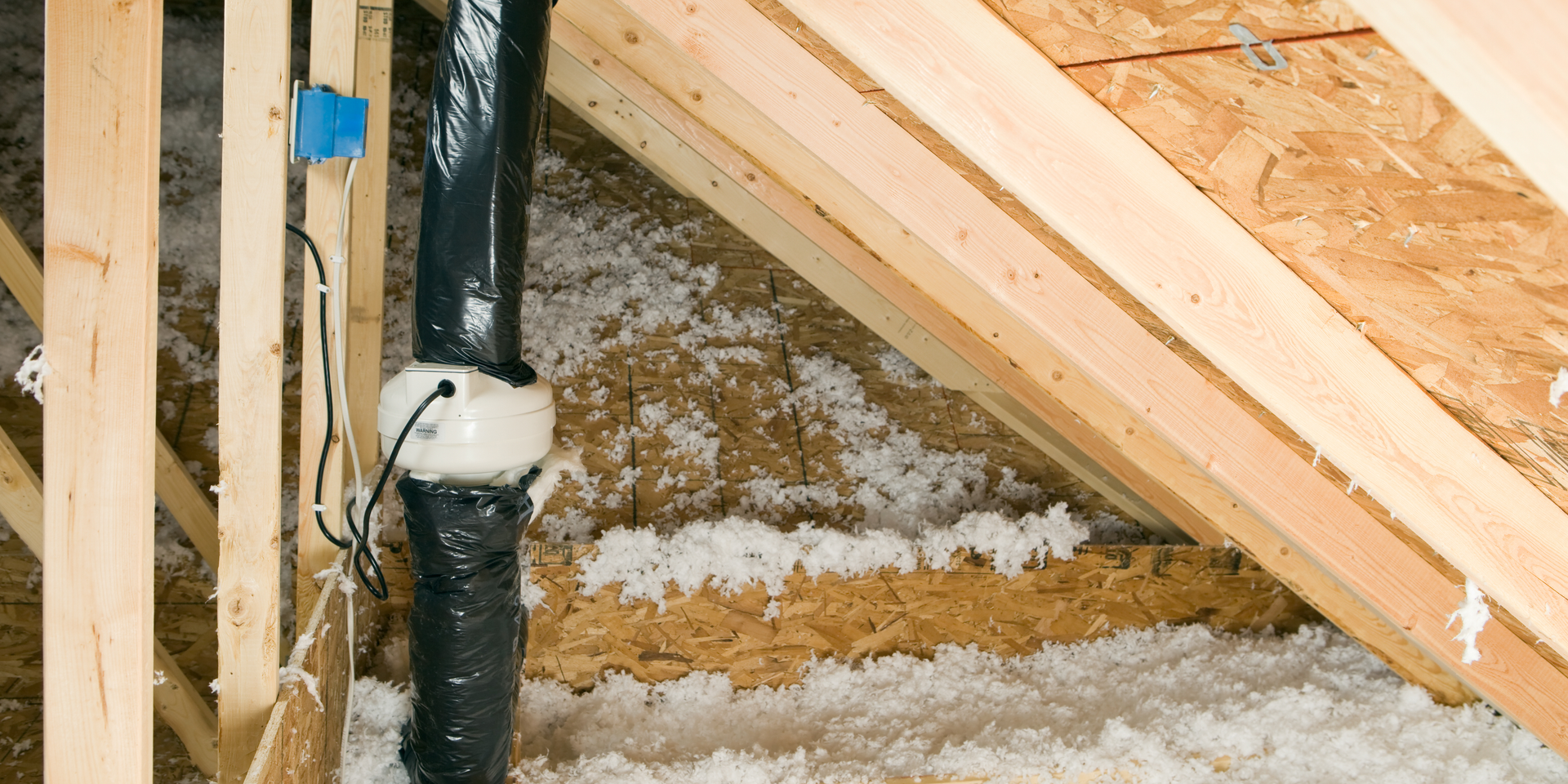
If you already have a radon mitigation system installed, an earthquake can damage the PVC piping or create new cracks that "short-circuit" the system’s suction, making it less effective.
When and How to Test
- The "Wait" Rule: You don't need to test the day after the quake. Wait until the initial "aftershock" period has settled and you are in a closed-house season (typically October through March in Anchorage) for the most accurate "worst-case" reading.
- Every 5 Years: The national recommendation is to test every five years regardless, but "sooner in the case of a ground-disturbing event."
Resources for Anchorage Residents
Anchorage Radon Testing and Mitigation: 236-239-3971
ResourceContact InfoAlaska Radon Hotline1-800-478-8324
UAF Extension Service 907-474-5139 (Art Nash, Radon Specialist)alaska.gov/hazards/radon